
Google Ads Services
for Brands That Want Control
We focus on capturing clear search intent, keeping spend under control, and building campaigns that support the business over time.
Google Ads management built for lead generation
We focus on lead generation as a system, not just an outcome. Structure, intent, and control matter more than volume alone.
Quality vs volume
Getting leads is rarely the problem. Getting leads that are relevant is. We prioritise clarity around what should count as a lead and which searches are actually worth paying for. No money wasted.
Search intent first
Not every search carries the same level of intent, and treating them as equal is not our philosophy. We separate campaigns based on how people search, which keeps budgets, ads, and expectations aligned.
Ads built for control
When structure is loose, optimisation becomes reactive. That’s usually when things start to feel messy. At Tweep House we keep campaigns structured, keywords relevant, and goals separated.
How to know if google ads is the right move for you
This is a good fit if
You care about lead quality, not just volume
You’re more interested in leads that actually convert into revenue than inflating numbers that look good only on reports.
You want visibility into where spend is going
You value clarity over complexity and want to understand what’s driving results, not just trust a dashboard or automated recommendations.
You’re open to structure and discipline over shortcuts
You’re willing to build campaigns properly, knowing that clear structure leads to more predictable performance over time.
This might not be a good fit if
You want instant scale without foundations
You’re looking to push spend aggressively before intent, tracking, and structure are clearly defined.
You’re looking for “set-and-forget” automation
You expect automation to replace strategy rather than support it, with little interest in ongoing refinement or oversight.
You measure success only by clicks or impressions
You prioritise surface-level metrics over outcomes like lead quality, cost efficiency, and long-term performance stability.
Google Ads services
we actually run
Each channel plays a specific role. We don’t run everything by default, we use what fits the intent and stage.

Search Ads
Keywords that signal a real need, not broad curiosity
Performance Max
When goals and tracking are able to guide automation
YouTube Ads
Build awareness and context, not to force conversions too soon
Display Ads
Remarketing keeps you visible with people who know you
Search Ads
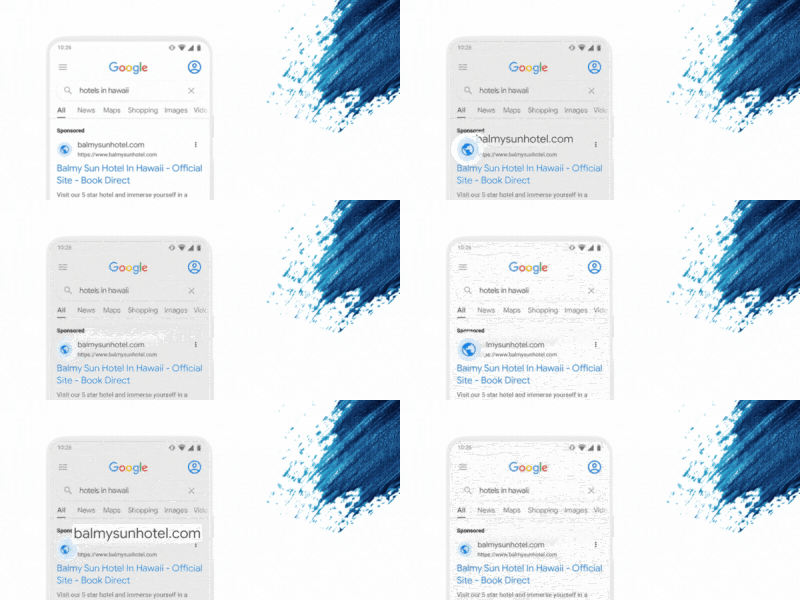
Search is where intent is clearest, which is why it’s often the backbone of the account. We focus on queries that signal a real need and structure campaigns so high-intent searches aren’t diluted by broader ones. This keeps performance readable and lead quality consistent as spend increases.
- Captures demand that already exists
- Keeps spend aligned with real intent
- Creates a stable foundation for performance
Performance Max
Performance Max can be effective once an account has clear goals, clean data, and enough signal to guide automation. We treat it as an optimisation layer, not a starting point and put boundaries in place so automation supports performance instead of obscuring it.
- Uses automation with clear guardrails
- Extends reach without losing control
- Scales what’s already working
Youtube Ads
YouTube works best earlier in the buying journey, where context and familiarity matter more than immediate action. We use it to build understanding and trust over time, not to force conversions before people are ready.
- Builds context before asking for action
- Supports longer or considered buying cycles
- Reinforces performance across the account
Display Ads and remarketing
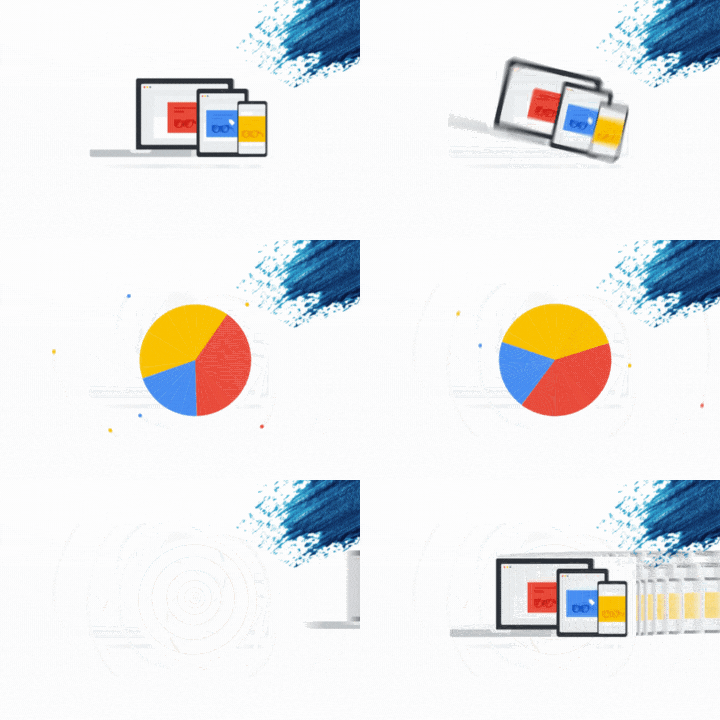
Display is about staying visible, not chasing clicks. We use it selectively to reinforce awareness and support other campaigns, rather than expecting it to drive direct conversions on its own.
- Maintains visibility with warm audiences
- Supports search and performance campaigns
- Keeps expectations realistic and performance clean
How we structure Google Ads campaigns
A clear structure keeps performance readable and optimisation intentional. This is the foundation we rely on before scaling anything.
How Google Ads Works With Everything Else
Google Ads shouldn’t work in isolation. Here’s how we connect it with the rest of your marketing; so every channel supports the others.
SEO
We align campaigns with your high-intent pages to improve Quality Scores, reduce cost-per-click, and reinforce your organic presence.
Social Media Advertising
We retarget search traffic on Meta and TikTok, and use audience insights to shape better Google campaigns.
Account-Based Marketing
We build keyword strategies for named accounts, competitor terms, and buying signals; perfect for ABM layers.
Website Management
Speed, structure, and clarity all affect how Google Ads perform. We make sure your site doesn't waste your spend.
Google Ads FAQs
If you’re wondering how Google ads and PPC work, you’re in the right place, here’s everything you need to know.
It depends on intent and volume. Search campaigns can show early signals within the first few weeks, while channels like YouTube or Performance Max take longer to stabilise. We focus first on making the account readable before judging performance.
There’s no universal number. What matters is whether the budget matches the level of demand and competition in your market. We’re upfront early if a budget is likely to struggle, rather than letting spend drift without a clear outcome.
Both. Many of the accounts we work on already exist, but often need restructuring before they can improve. We’ll review what’s there and decide whether it makes more sense to build on it or simplify and reset parts of the setup.
A conversion only matters if it reflects a real outcome for the business. We align on that definition early, whether it’s a form submission, a call, or another meaningful action, and set tracking up accordingly.
No. It can work well when tracking is solid and goals are clear, but it’s not a starting point for most accounts. We use it when automation adds value, not when it hides what’s happening.
Yes, but expectations need to be realistic. In B2B or considered purchases, Google Ads often supports the journey rather than closing it immediately. That’s why structure, messaging, and channel choice matter more than quick wins.